

The lotus flower
A flower that does most of its growing
where no one is looking
Eleven short essays on the lotus, each built on one true thing the plant does and what it has to say about a human life. Watercolors throughout. Read in any order.
One season
How a lotus lives
-

The seed sinks into the mud and takes hold.
-

A pale stem climbs for weeks through dark water.
-

One morning a bud breaks the surface.
-

The flower opens by day and closes by night, for three or four days.
-

The petals fall; the seed pod they hid was there from the start.
-

The pod dries, bows, and tips its seeds back into the pond.


The essays
Eleven things the lotus does, and what they mean
Every essay starts with something the plant actually does, checked against the botany, and follows it into ordinary life. The first one is where the series began.
-
 It begins in the mud.
The Lotus Doesn't Begin at the SurfaceWe only ever meet the flower at the end of its story. The beginning is where the lesson lives.Read the essay
-
 It closes every night.
The Flower Closes at DuskA lotus blooms for three or four days, and spends every one of those nights shut.Read the essay
-
 It is touched by everything.
What Rolls OffThe lotus leaf is touched by everything that falls on it and stained by none of it.Read the essay
-
 It warms itself.
The Lotus Makes Its Own WarmthOn a cold night a lotus flower holds itself at the temperature of a summer afternoon.Read the essay
-
 The ending is already there.
The Seed Pod Is Already ThereLook into an open lotus and the end of the story is sitting in the middle of it.Read the essay
-
 It does not quite let go.
The Root Snaps, the Threads RemainBreak a lotus root in two and it does not quite let go.Read the essay
-
 It breathes through its hollows.
The Root Breathes Through Its HollowsThe lotus root is full of holes, and the holes are how it stays alive in mud that has no air.Read the essay
-
 It lifts a little above.
A Hand's Width Above the WaterA water lily rests on the surface. A lotus lifts itself a little above it. That small distance is the whole difference.Read the essay
-
 Many flowers
One Root Under Many FlowersA pond full of lotuses is often one plant.Read the essay
-
 one root.
The Pod BowsThe lotus ends by tipping its seeds back into the water that grew it.Read the essay
-
 It ends by giving back.
Still WaterThe lotus will not do its work in a current.Read the essay


- The bloom is the last thing the lotus does.
- Closing is not the opposite of blooming.
- Touched by everything. Stained by nothing.
- The holes are not the damage. They are the breath.
- Some things are over and still connected.
- The lotus ends by bowing to the water that made it.
Keep one close
The lotus, in silver, seed, wood and cloth
The pieces the essays mention, pulled live from the shop. Prices and stock are current. Pendants come without a chain unless the page says otherwise.
-
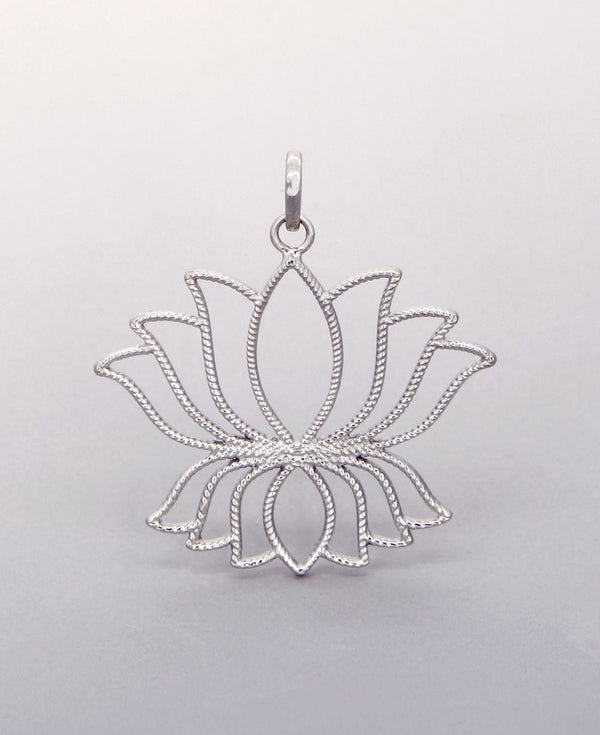 Pendants
Sterling Silver Lotus Bloom Pendant
$54.00
-
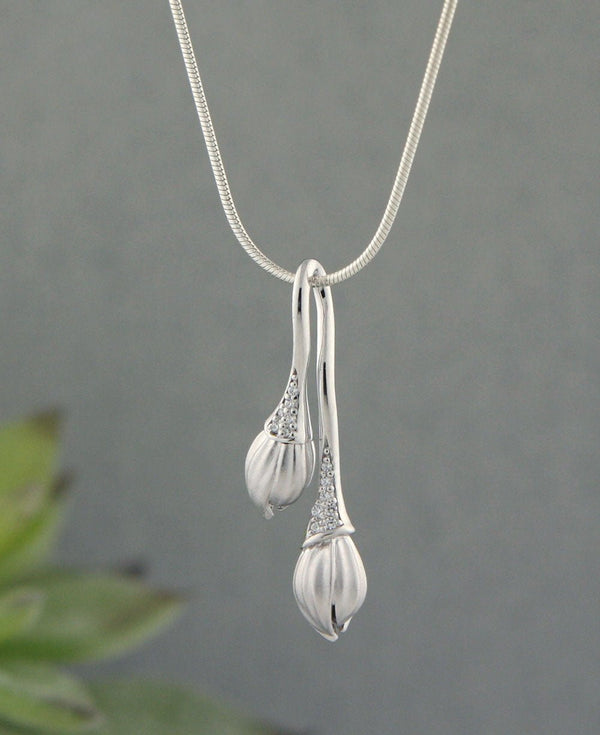 Pendants
Lotus Buds Crystal Pendant
$92.00
-
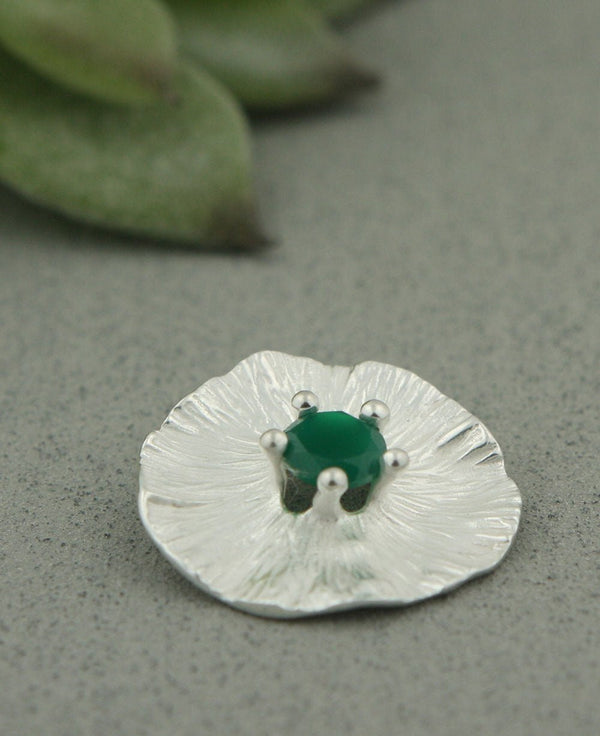 Pendants
Sterling Silver Lotus Pad Pendant with Green Onyx
$88.00
-
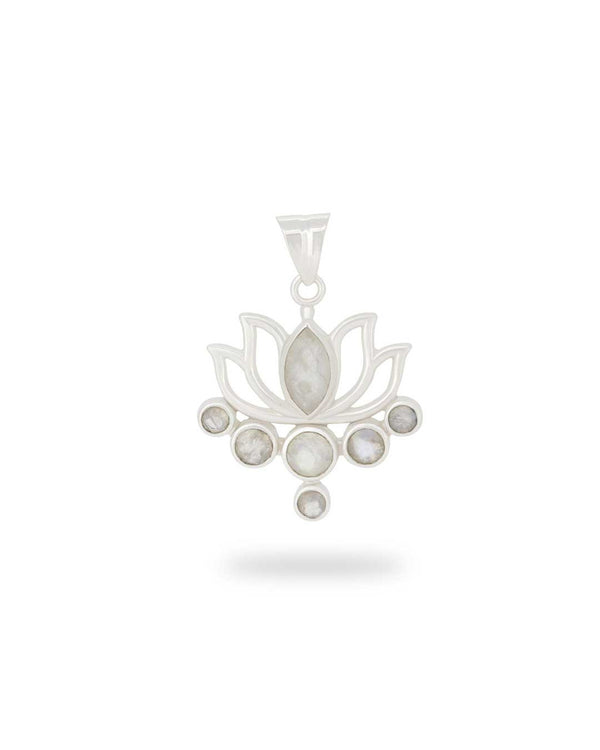 Pendants
Moonstone Pendant in Lotus Design
$88.00
-
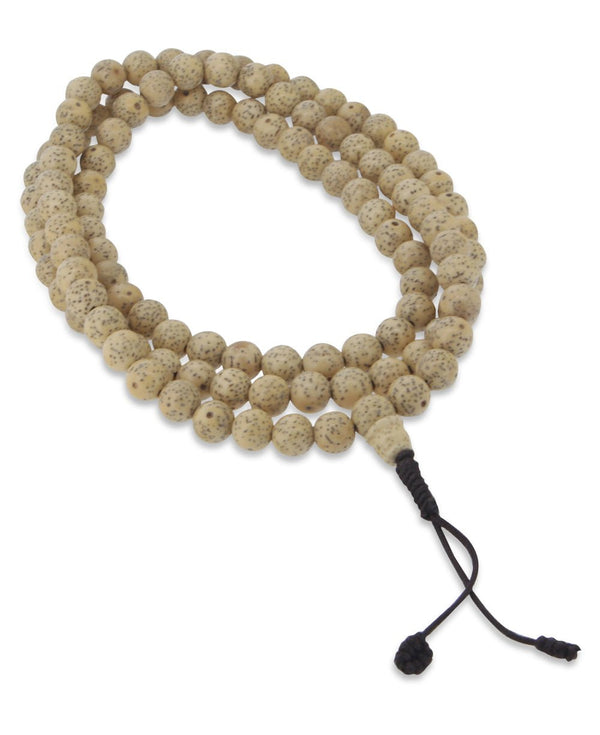 Prayer Beads
Handmade Lotus Seed Mala
$54.00
-
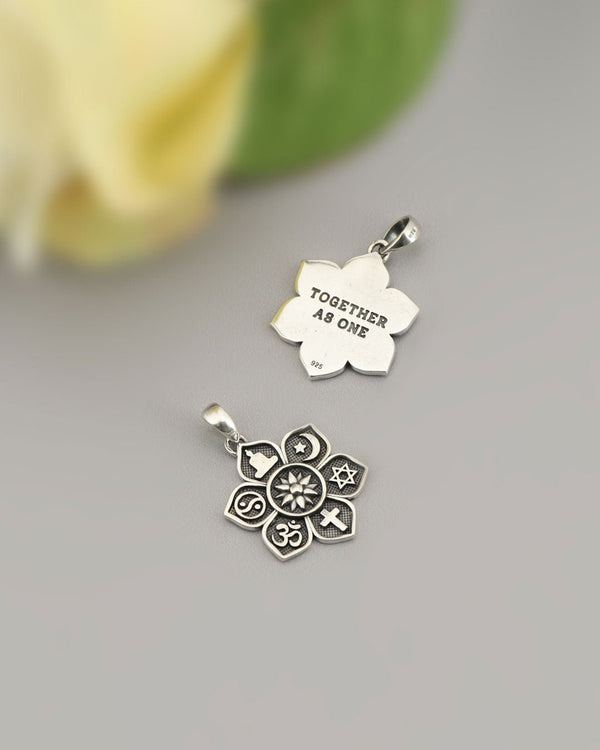 Pendants
Silver Coexist Harmony Pendant
From $48.00
-
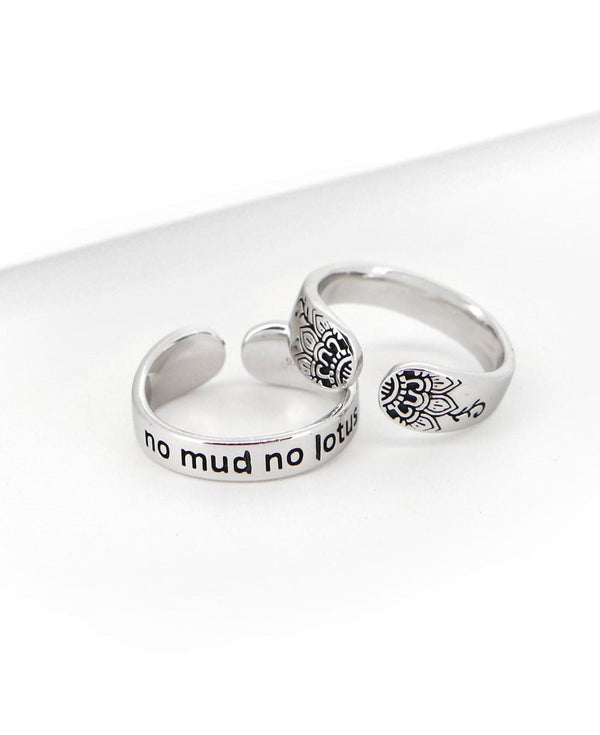 Rings
No Mud No Lotus Sterling Silver Mantra Ring
$64.00
-
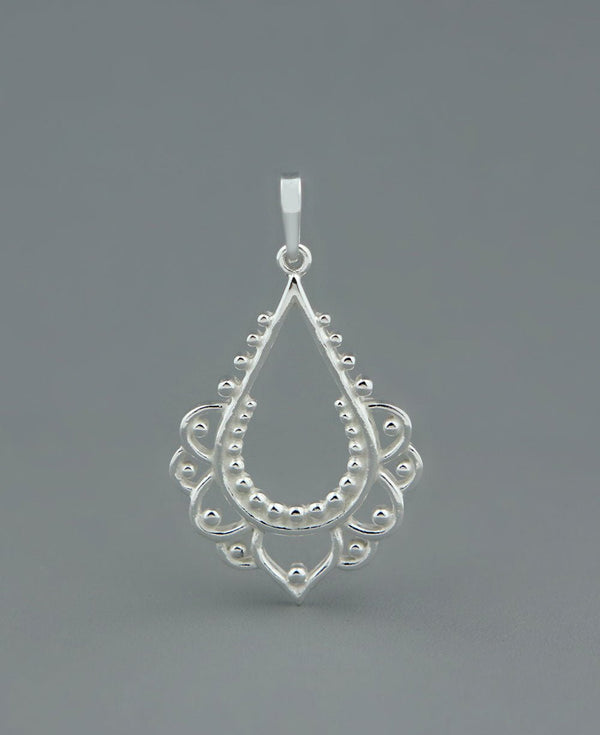 Pendants
Sterling Silver Lotus Inspired Pendant
$54.00
-
 Scarves & Shawls
Story of 100 Lotuses Artistic Scarf
From $21.00
-
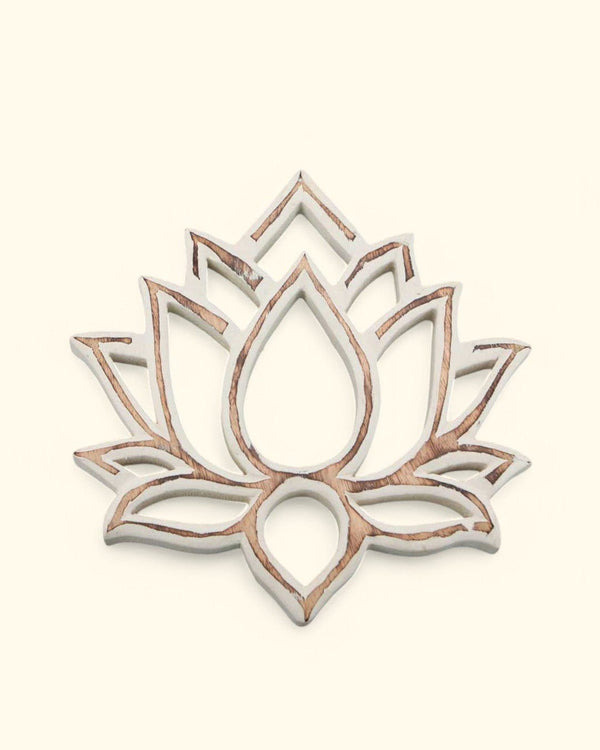 Trivets
Carved Lotus Wood Trivet Or Wall Hanging
$36.00
-
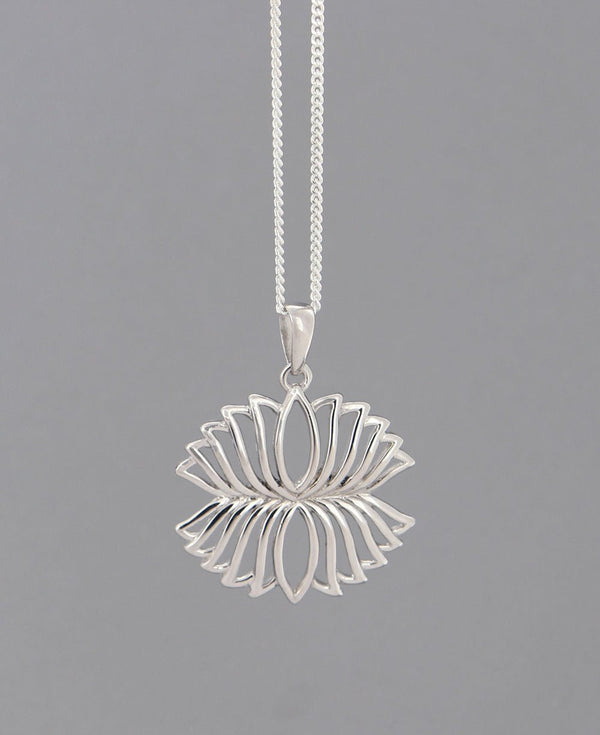 Pendants
Sterling Silver Lotus Reflection Pendant
$88.00
-
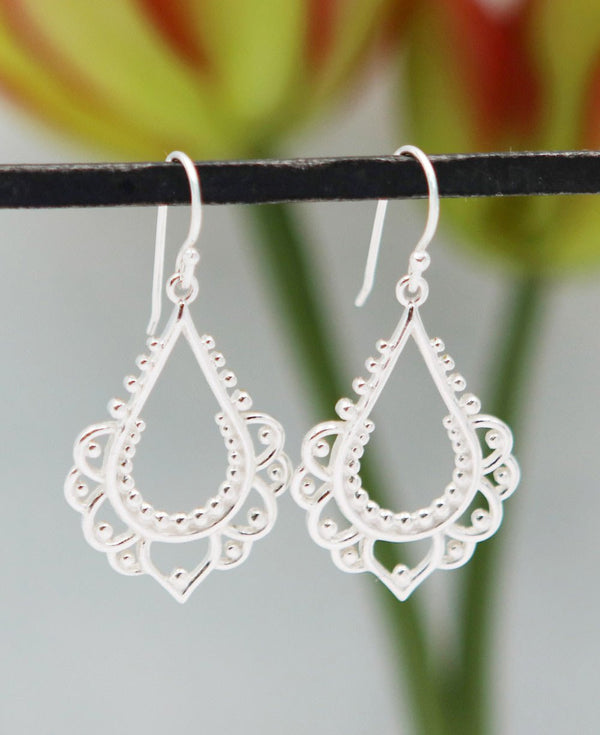 Earrings
Sterling Silver Beaded Lotus Earrings
$64.00

Further reading
The lotus in the traditions
The essays above stay close to the plant. These earlier pieces from the Balance blog go the other way, into what the lotus has meant in Buddhist, Hindu and Egyptian thought, and why it keeps turning up in jewelry.
- No Mud, No Lotus: Embracing Life's Challenges for Personal Growth
- Lotus, Flame, and Infinity: Symbols of Growth and Inner Light
- Symbolism of the Lotus Flower
- Lotus Flower: Meaning and Symbolism
- Lotus Chronicles: Unfolding the Petals of Life's Greatest Virtues
- Unveiling the Spiritual Symbols: The Mandala and Lotus in Harmony
Roots in the mud.
A stem through the dark.
A flower, a hand's width above the water,
that closes every night and still blooms.
Somewhere, at the bottom of a quiet pond, a stem is rising that no one has seen yet. Give it its time.